Spectacle vs Reality
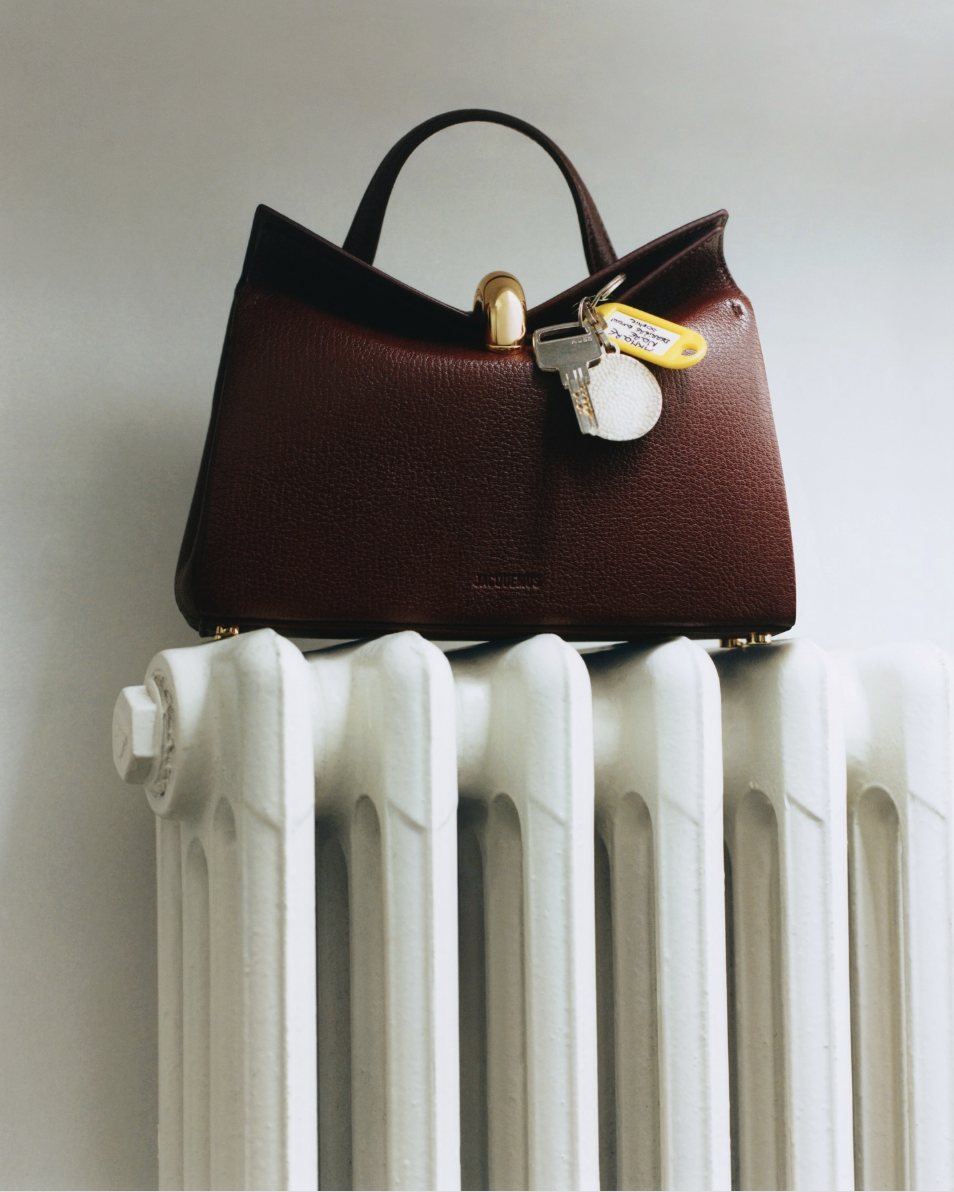
Photo from Jacquemus’ “Le Valérie” campaign 2025. Photographed by Rosie Marks.
Advertising has always gone hand in hand with spectacle. After all, the aim is to sell, which inevitably leads to an endless battle to see who can shout the loudest or outshine the rest.
With the rise of social media, this has only intensified, and in recent years the sheer volume of advertising has become overwhelming. Not just because we’re constantly shown things that may hold no interest for us – the algorithm doesn’t always get it right – but because we simply don’t believe anything anymore. We don’t connect. We know we’re being sold empty promises, that the product’s virtues are exaggerated, or that the claims are outright false.
As someone working in advertising, I see campaigns all the time and almost always, a pattern emerges, a common thread within each sector. In fashion, for instance, it’s seriousness, perfection, aspiration… And that’s all well and good, but it speaks to a minority. Fashion has a huge following because people aspire to be like the models in the ads, or to live the lifestyle the brand represents – not because they truly empathise with it. Fashion, in general, is rarely empathetic.
That’s why, when a well-known brand like Jacquemus – long regarded as a reference for spectacle-driven marketing – begins to produce campaigns like Le Valérie, with storytelling rooted in a real-life experience, it feels like a breath of fresh air. Suddenly, that ultra-aspirational brand isn’t quite so distant, instead reflecting something many of us have lived. Suddenly, it becomes an empathetic brand. It no longer belongs to some parallel world; it belongs to ours.
The campaign for the Le Valérie bag is brilliant precisely because of its simplicity. There are no fireworks, no shouting, no spectacle. It’s simply the gaze of a child admiring their mother. And there’s nothing more beautiful or honest than that.
In the end, spectacle is eye-catching and occasionally necessary, but perhaps we should ask ourselves: are we finally learning to value what’s genuine over what’s aspirational?